
Updated October 2026
Accessible means a person with a disability can get in and use a place. Inclusive means the place was planned with them in mind from the start, so they get the same experience as everyone else, through the same door, without having to ask for special arrangements.
A hotel with a ramp at the service entrance and one accessible room is accessible. A hotel with a step-free main entrance, accessible versions of several room types, and staff who can answer access questions on the first call is inclusive. For travelers with disabilities, that gap decides whether a trip runs smoothly or turns into a string of workarounds.
Accessible: can you get in and use it?
In the US, accessibility is mostly defined by the Americans with Disabilities Act. The ADA sets minimum standards for things like door widths, ramp slopes, accessible restrooms, and the share of hotel rooms and seating that must be accessible. Meeting those standards is the legal floor.
Accessible spaces often stop there. The access exists, but it can be separate, limited, or hard to find. The accessible entrance is around the side by the loading dock. Wheelchair seating is in one section. The accessible tour needs two weeks’ notice. Everything technically works, and the visitor still gets a different, smaller version of the experience.
Accessibility is also often treated as wheelchair access only. A building can meet every physical requirement and still offer nothing for visitors who are deaf or hard of hearing, blind or low vision, or sensitive to noise and crowds.
Inclusive: was it designed with you in mind?
Inclusion starts earlier. Instead of adding access after the fact, an inclusive venue plans for people with different mobility, hearing, vision, sensory, and cognitive needs from the beginning. The idea is closely related to universal design, the principle that spaces should work for as many people as possible without needing adaptation.
In practice, inclusive venues tend to share a few traits:
- Everyone uses the same entrance.
- Accessible seats and rooms come in more than one location, category, and price.
- Access goes beyond mobility to cover hearing, vision, sensory, and cognitive needs.
- Access information is published in detail, so visitors don’t have to call to find out.
- Accessible options can be booked the same way as everything else, usually online.
- Staff know what’s available and can answer questions without checking with a manager.
Accessible vs. inclusive: side by side
| Accessible | Inclusive | |
|---|---|---|
| Entrance | Step-free side or rear entrance | Step-free main entrance |
| Theater seating | Wheelchair spaces in one section | Wheelchair and companion spaces across sections and price levels |
| Hotel rooms | A few accessible rooms, usually the standard category | Accessible versions of several room types, with a choice of roll-in shower or tub |
| Museums | Elevator to every floor | Elevator, plus captions on videos, tactile objects, audio description, and benches in the galleries |
| Tours | Accessible tour by request with advance notice | Standard tours planned so most visitors can join, with ASL interpretation on a published schedule |
| Information | “ADA compliant” on the website | Measurements, photos, and details for hearing, vision, and sensory access |
| Booking | Call a separate phone line | Book accessible options online like any other ticket or room |
Why the difference matters when you travel
Travel stacks every barrier
A trip is a chain: the airport, the ride to the hotel, the room, the museum, the restaurant, the show. Each link can be accessible on paper and still require a workaround, and every workaround costs time, energy, and sometimes money. Three of them in one day can end the day early.
Workarounds separate you from your group
Most people travel with family or friends. When the accessible route is the long way around, or the accessible seats are in a different section, the group splits up. Inclusive design keeps everyone together.
Accessible doesn’t tell you what to expect
A venue can meet every requirement and still tell you nothing useful. “ADA compliant” doesn’t say whether the ramp is at the main entrance, whether assistive listening devices are available, or how loud the space gets. Inclusive venues publish that information, which is what makes planning possible. There’s more on this in why accessibility information is so hard to find when traveling.
Accessible often means one kind of access
When a venue says it’s accessible, it usually means wheelchair access. Travelers with hearing, vision, sensory, or cognitive needs often find nothing that applies to them. An inclusive venue has planned for all of them.
How to tell which one you’re dealing with
You can usually tell from a venue’s website and one phone call or email.
- Read the accessibility page. Specific details, measurements, and photos are a good sign. A single line saying “ADA compliant” is not.
- Ask whether the accessible entrance is the main entrance.
- Ask whether accessible seats or rooms are available in more than one category or price.
- Look for access beyond mobility: captioning, assistive listening, audio description, sensory kits, quiet rooms, or sensory-friendly hours.
- Check whether you can book accessible options online.
- Read reviews from visitors whose access needs are similar to yours.
OnlyEverywhere listings are built around this distinction. Each listing records specific features across mobility, hearing, vision, and sensory access, based on the UN World Tourism Organization’s Recommendations on Accessible Tourism, so you can filter for what you need instead of relying on a single “accessible” label. The full list is in the accessibility features guide.
What this means for venues
Accessibility keeps a venue legally compliant. Inclusion is what brings visitors with disabilities back, along with the family and friends they travel with. The gap between the two is often a set of small changes: making the main entrance step-free, spreading accessible seating across price levels, publishing access details, and training staff to answer questions. For more, see what visitors with disabilities want you to know about your venue and accessibility best practices for venue operators.
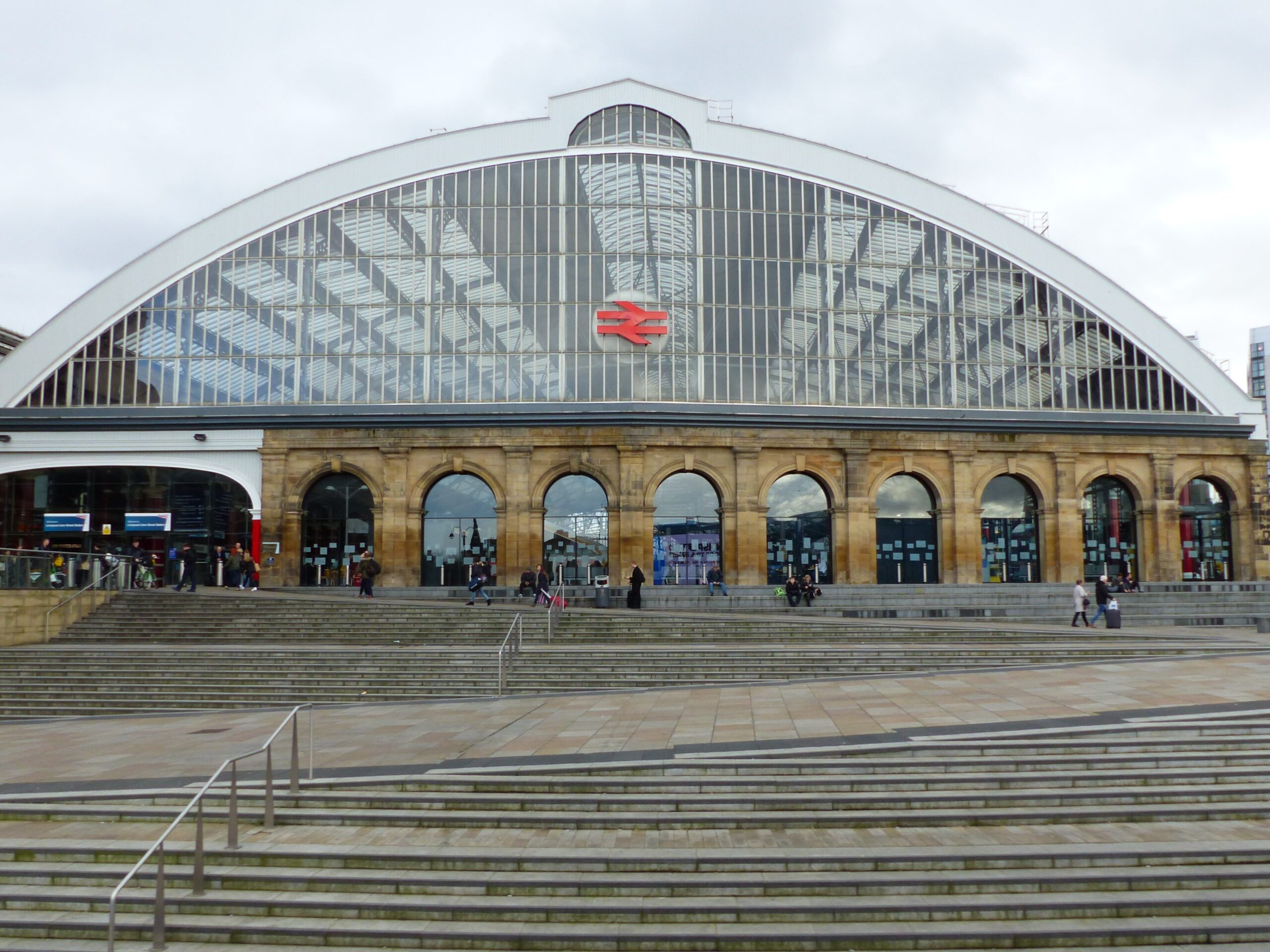
Featured photo: Liverpool Lime Street station entrance, with accessible steps by Ruth Sharville, licensed under CC BY-SA 2.0.
Know a great accessible spot? Help others find it. Add a Listing