
Updated October 2026
Sensory-friendly hours are scheduled sessions when a venue lowers the sensory load on purpose: quieter sound, gentler lighting, smaller crowds, and somewhere calm to step away. They’re designed for visitors with sensory sensitivities, including many autistic people and people with sensory processing differences, migraine, PTSD, or anxiety, plus anyone who finds a full-volume, full-capacity venue hard to manage.
A good program is on the calendar, and the venue tells you in writing what changes during it. A quiet Tuesday afternoon doesn’t count.
What counts as a sensory-friendly hour
Almost every venue has slow periods. That isn’t the same thing. A usually quiet weekday can still bring a school group, a birthday party, or a fire alarm test, and nothing about it is protected. A scheduled sensory session is different because the venue has committed to running the space differently for that window.
Signs that a session is a planned program and not just a slow day:
- It recurs on a set schedule (for example, the first Sunday of every month) or is announced for a specific date.
- Sound is reduced: background music off, PA announcements paused, exhibit or film audio turned down.
- Lighting is adjusted: no strobes or flashing effects, house lights partly up in theaters, harsh lighting dimmed where possible.
- Attendance is capped, or the session runs before or after public hours.
- There’s a quiet room or calm space, and you can leave and come back.
- The venue publishes what changes, what stays the same, and whether you need to book.
That’s the standard OnlyEverywhere uses. A venue is listed as offering sensory-friendly hours only when it runs a scheduled program. Tips about quieter times to visit go in the listing description instead.
What sensory-friendly hours look like by venue type
Names vary. Theaters call them relaxed performances, cinemas call them sensory-friendly screenings, museums and aquariums often use “sensory mornings” or “calm mornings,” and stores call them quiet hours. Here’s what each usually involves.
| Venue type | Common name | What usually changes |
|---|---|---|
| Museums and science centers | Sensory mornings, early access | Opens before the public, interactive audio turned down, loud demonstrations paused, sensory kits at the front desk |
| Zoos and aquariums | Calm mornings, sensory days | Early entry, fewer announcements, shows modified or skipped, quiet areas marked on the map |
| Movie theaters | Sensory-friendly screenings | Lights partly up, volume lower, visitors free to move around, talk, or leave the auditorium |
| Live theater | Relaxed performances | House lights partly up, loud or sudden effects softened, a calm room in the lobby, re-entry allowed at any time |
| Stores and malls | Quiet hours | Music off, lights dimmed, no overhead announcements, carts and restocking kept off the floor |
| Stadiums and arenas | Rarely offered as hours | Usually sensory rooms and loaner headphones or sensory bags during regular events instead |
How to find a good session as a visitor
Most programs are easy to miss. Venues tend to post them on an accessibility page or a separate events listing rather than the main calendar. A few questions will tell you whether a session will work for you:
- Where is it listed? Check the venue’s accessibility or access page, then the events calendar. If it only appears on social media, confirm the date directly with the venue.
- Do you need a separate ticket? Many sessions cap attendance and sell out. Some are free with registration.
- What changes during the session? If the venue can’t tell you specifically, the program may be thin.
- Is everything open? Some venues close certain exhibits, rides, or shows during sensory sessions.
- Is it only for kids? Many programs are marketed to families. Ask whether adults are welcome on their own.
- What support is available? Sensory kits, noise-reducing headphones, a quiet room, and a visual story (a photo walkthrough of the visit) all help.
In California, the schedule of sensory-friendly hours in Los Angeles lists the recurring sessions worth planning around. The sensory guides for Los Angeles, San Francisco, and Orange County cover venues with quiet rooms, sensory kits, and other supports during regular hours.
How venues can do sensory-friendly hours right
A sensory session is one of the less expensive accessibility programs a venue can run, and one of the easiest to get wrong. These are the things that separate a session people plan around from one they try once.
Pick a schedule and keep it
Families and individuals plan around these sessions, sometimes weeks out. A consistent slot, like the second Saturday of each month from 8 to 10 a.m., is easier to remember and easier to share than one-off dates. If you have to cancel, announce it as early as you can, everywhere the session is listed.
Change the things that matter
Most sensory overload comes from sound, light, and crowds. Address each one directly:
- Sound: turn off background music, pause PA announcements, lower exhibit and film audio, and warn people about sounds you can’t control, like hand dryers or a scheduled alarm test.
- Light: remove strobes and flashing effects, avoid sudden blackouts, and keep house lights partly up in theaters.
- Crowds: cap tickets, keep school groups and private events out of the session, and consider a separate entrance or line.
- Smell: if you use scented cleaning products or fragrance in retail spaces, skip them during the session.
Give people a way out
A quiet room or calm space matters as much as the changes on the floor. So does an easy re-entry policy. Visitors should be able to step out, reset, and come back in without a debate at the door.
Publish the details in writing
Put the session on your accessibility page and your events calendar with specifics: date and time, what’s different, what’s closed, price, whether booking is required, and who it’s for. A visual story with photos of the entrance, the quiet room, and the main spaces helps visitors know what to expect. Vague wording like “sensory-friendly environment” doesn’t help anyone decide.
Don’t make it kids-only by default
Plenty of adults have sensory sensitivities, and many programs are framed so heavily around children that adults feel unwelcome. Say plainly that adults are welcome, or run an adults-only session.
Brief everyone on shift
The access coordinator usually designs the program, but visitors deal with ticket staff, security, and floor staff. Everyone working the session should know what’s different, where the quiet room is, and not to rush or redirect visitors who are pacing, wearing headphones, or leaving and returning.
Ask the people who use it
Work with local disability organizations when you design the session, and ask attendees afterward what worked. They’ll tell you which exhibit is still too loud.
Don’t let it replace everyday access
A monthly session doesn’t help someone visiting on a Wednesday. Keep sensory kits, a quiet room, and honest guidance about quieter times available during regular hours too. The session should be the most accommodating version of your venue, not the only accommodating one.
A quick checklist for venues
- Recurring, published schedule
- Background music and announcements off
- Exhibit, film, or show audio lowered
- No strobes or flashing effects
- Capped attendance, or hours before or after public opening
- Quiet room and free re-entry
- Written description of what changes and what’s closed
- Visual story available online
- Adults explicitly welcome
- All staff on shift briefed
- Feedback collected after each session
For broader guidance on making a venue work for visitors with disabilities, see accessibility best practices for venue operators and what visitors with disabilities want you to know about your venue.
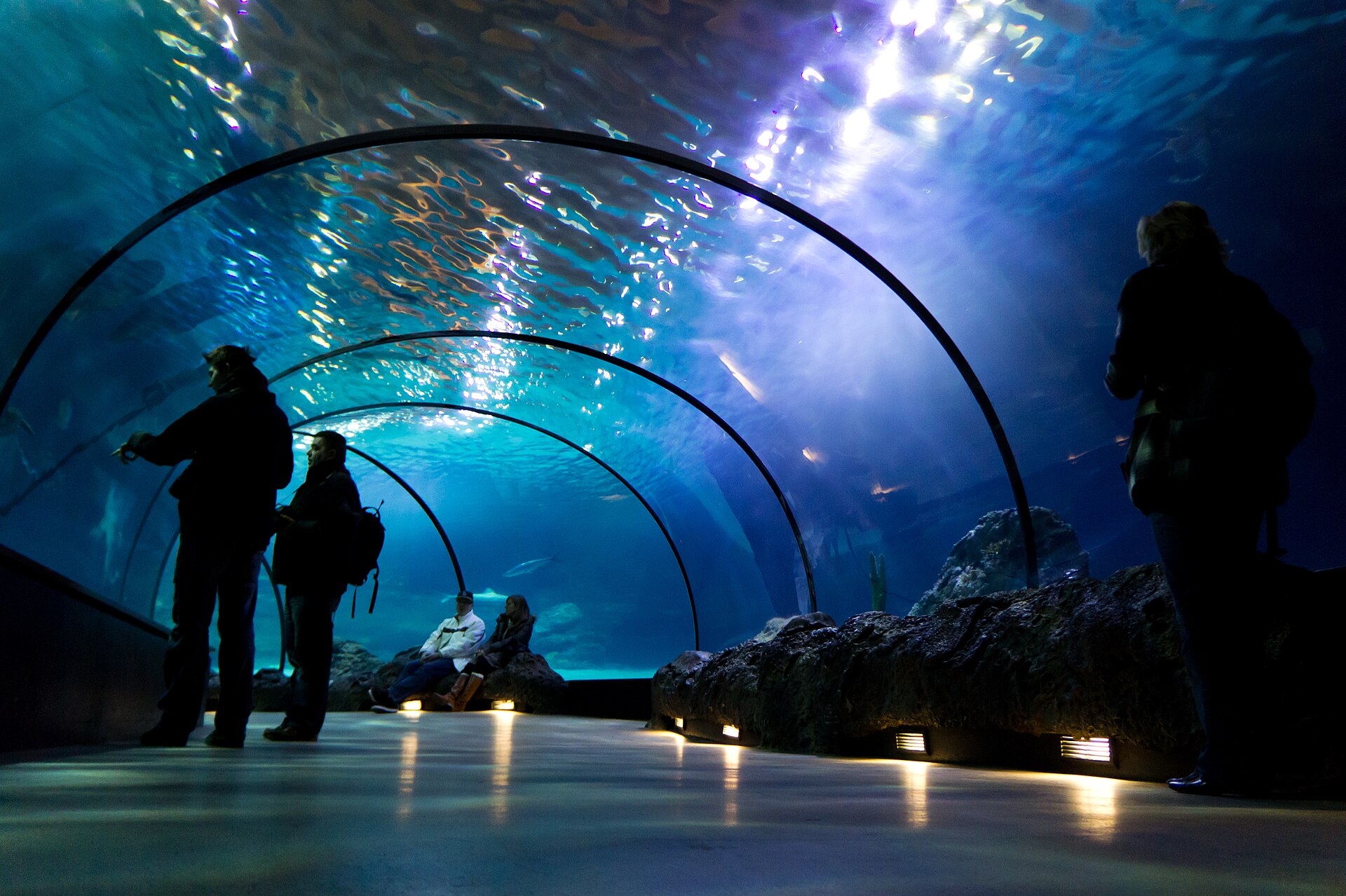
Featured photo: Underwater tunnel by Sander van der Wel, licensed under CC BY-SA 2.0.

Know a great accessible spot? Help others find it. Add a Listing