
Updated July 2026
The single biggest lever for a sensory-sensitive visit is when you go, and a growing number of Los Angeles venues now run dedicated low-stimulation sessions: early “calm mornings” before the public arrives, monthly sensory days, and regular sensory-friendly hours built for autistic visitors and anyone with sensory processing or cognitive needs. Dimmed lights, lowered sound, smaller crowds. This is a schedule of the ones worth planning around, what each runs, and how to book.
These sessions are the exception, not the default, and most need a little planning: some are ticketed or need registration, and dates move, so confirm the next one on the venue’s calendar before you go. For the full picture (every calm venue by category, what you can borrow, and how to read LA’s sensory load) see the Los Angeles Sensory & Cognitive Guide. This article is the shortcut for one question: which places run a sensory-friendly session, and when?
At a Glance
| Venue | Program | When | Booking |
|---|---|---|---|
| GRAMMY Museum | Sensory Friendly Saturdays | 2nd Saturday monthly, 9:00–11:00am | Check ticket/registration |
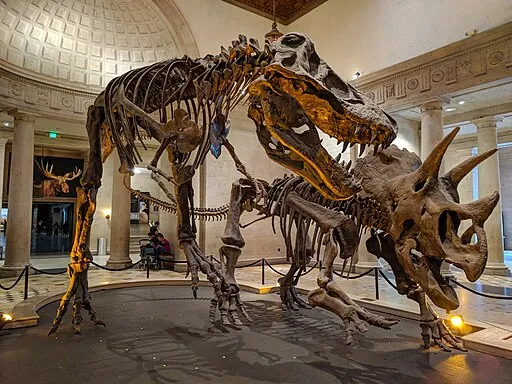
| Natural History Museum | Sensory-Friendly Dinosaur Encounters | 2nd Saturday monthly, 11:30am | Included; arrive early |
| Academy Museum | Calm Mornings | Select mornings before public hours | Timed ticket; check calendar |
| The Broad | Sensory Morning | Select mornings before public hours | Reserve timed entry |
| Petersen Automotive Museum | Low Sensory Mornings | Select mornings before opening | Check schedule |
| Cayton Children’s Museum | Sensory-Friendly Mornings | Select mornings | Check schedule |
Times and dates change. Confirm the next session with the venue before your visit.
Monthly Sensory Days
The two easiest to plan around, because they land on a fixed day each month.
GRAMMY Museum
GRAMMY Museum — full accessibility details →
A Certified Autism Center, and the anchor of this list. Sensory Friendly Saturdays run on the second Saturday of every month from 9:00 to 11:00am, with reduced crowding, lower lighting, and quieter sound across four floors of interactive music exhibits. Staff have completed autism and sensory awareness training. Check whether the session needs a timed ticket before you go.
Natural History Museum of Los Angeles County
Natural History Museum — full accessibility details →
The NHM runs sensory-friendly Dinosaur Encounters on the second Saturday of each month at 11:30am, a lower-key version of its popular program. Free sensory kits (noise-cancelling headphones, a sensory guide, fidget tools) are available to borrow, and there’s a sensory map for pacing the visit. Free for LA County residents on select days.

Scheduled Calm Mornings
These museums open early, before the public, for a quieter window. Dates rotate, so check each venue’s calendar and reserve.
Academy Museum of Motion Pictures
Academy Museum — full accessibility details →
Calm Mornings open the film museum early with lowered light and sound and smaller crowds. Sensory bags are available at the entrance, and a social narrative to review at home makes the visit far easier to plan. The building is fully step-free.
The Broad
The Broad — full accessibility details →
A Sensory Morning gives this very popular (and normally loud) contemporary-art museum a low-stimulation window before the crowds. Admission is free but reserve a timed entry. One heads-up: the Infinity Mirrored Room is a small, enclosed dark space with flashing LED lights, worth flagging for light-sensitive visitors even during a calm session.
Petersen Automotive Museum
Petersen Automotive Museum — full accessibility details →
Quietly one of the strongest sensory museums in the city. Low Sensory Mornings bring lowered lighting and sound and smaller crowds before opening, and sensory bags are available at the desk. Three broadly engaging floors of cars.

Kids’ Sensory Hours
Two children’s museums built to run calm, with regular sensory-friendly sessions.
Cayton Children’s Museum
Cayton Children’s Museum — full accessibility details →
Sensory-friendly mornings on select dates bring dimmed lights, lowered sound, and reduced capacity, and there’s a dedicated Quiet Room for breaks any time. Caregivers enter free. Check the schedule for the next session.
Planning Around a Sensory Hour
A few things that apply across all of these:
- Register or reserve ahead. Several sessions are ticketed or capped. Book as soon as you know your date.
- Arrive at the start. The calm is best in the first stretch, before even a small crowd builds.
- Download the social narrative if there is one. The Academy Museum, the Aquarium of the Pacific, and the Huntington publish step-by-step visual guides, most useful reviewed at home, not in the parking lot.
- No session on your date? Weekday mornings are the fallback at almost any venue, and the Hub lists the venues that are calm by design (gardens, quiet trails, open-air landmarks) for days when no program is running.
For the full sensory playbook and every calm venue by category, see the Los Angeles Sensory & Cognitive Guide.
Compiled from publicly available information. Sensory-program dates and times change, and some sessions require a ticket or registration, so confirm with each venue before you go.