
Updated July 2026
California has more major theme parks than any other state, and most of them have some form of disability access program. But the programs vary significantly — different names, different eligibility rules, different processes, and different levels of accommodation depending on your disability type.
This guide covers the disability access programs at California’s major theme parks, with notes on what each actually offers and what to expect. Accessibility information changes — always verify current policies directly with the park before your visit, as programs like DAS have changed significantly in recent years.
What Is a Disability Access Pass?
Most large theme parks offer some version of a disability access program for guests who cannot wait in a standard queue. Instead of standing in line, guests with eligible disabilities can return to a ride at a specified time — essentially a virtual queue that accommodates guests who cannot tolerate long waits due to physical, cognitive, or sensory disabilities.
These programs go by different names at different parks and have different eligibility requirements. Some require pre-registration weeks in advance. Some are handled at Guest Services on the day of your visit. Some now require third-party documentation through IBCCES (the International Board of Credentialing and Continuing Education Standards).
Southern California Parks
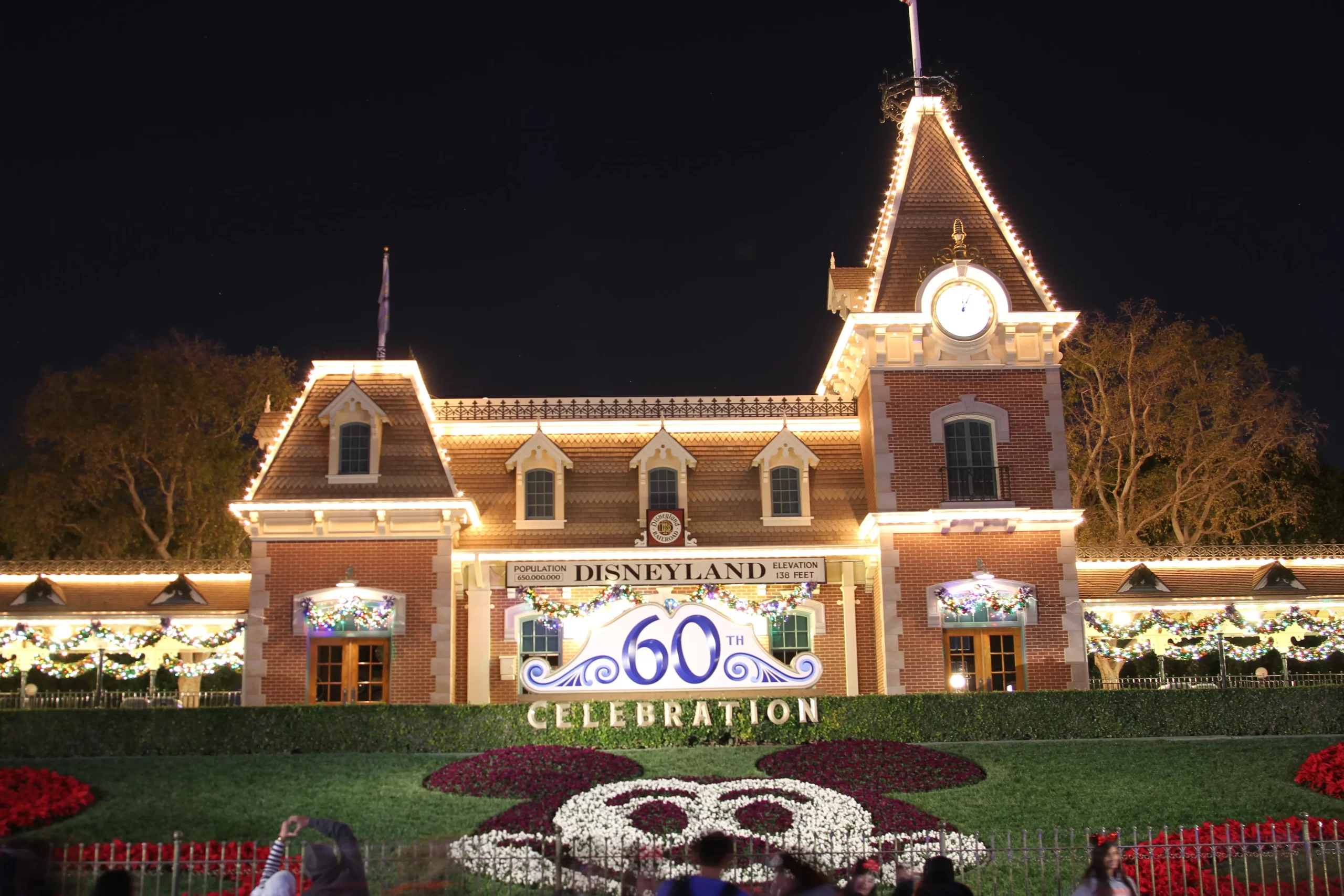
Disneyland Resort — Disability Access Service (DAS)
Anaheim | Two parks: Disneyland Park + Disney California Adventure

Disneyland’s program is called the Disability Access Service (DAS). It’s available for guests with developmental disabilities — including autism — who cannot tolerate waiting in a standard queue environment. As of June 2024, DAS is no longer available for guests with mobility or medical conditions; those guests may instead use Location Return Times at select attractions.
DAS requires pre-registration via live video chat with a cast member, available 30–60 days before your visit through the Disneyland app or website. Walk-up registration is not currently available.
Beyond DAS, Disneyland has one of the strongest overall accessibility programs of any theme park: sensory guides and social narratives downloadable before your visit, sign language interpretation on a rotating daily schedule, assistive listening devices, audio description guides, companion restrooms, and loaner mobility aids. Cast Members receive sensory difference training.
See full accessibility details →
Universal Studios Hollywood — Attraction Assistance Pass (AAP)
Los Angeles

Universal’s program is called the Attraction Assistance Pass (AAP). As of 2024, it requires pre-registration through IBCCES at least 48 hours before your visit — walk-up registration is no longer available. Guests register at ibcces.org, and the pass is then presented at Guest Services on arrival.
A few important practical notes: none of Universal’s rides can be boarded while remaining in a wheelchair — all attractions require a transfer to the ride vehicle, and park staff are not trained to assist with lifting. Guests who need transfer assistance should bring a companion. Wheelchair rentals are available, but accessible parking fills quickly on busy days — arrive early.
Assistive listening devices and sign language interpreters are available for select shows and events.
See full accessibility details →
Knott’s Berry Farm — IBCCES Accessibility Card
Buena Park

Knott’s uses the IBCCES Accessibility Card system. Guests with mobility or cognitive impairments register at ibcces.org before visiting, then present the card at Guest Services on arrival. Staff will explain the accommodations available for your specific needs.
Knott’s has strong general accessibility infrastructure: wheelchair and ECV rentals (book in advance — they sell out, and are not available during Knott’s Scary Farm), accessible restrooms throughout the park, Braille and large print copies of the Guest Accessibility Guide at Guest Services, and ASL interpreters for live shows with at least one week’s notice (request by emailing [email protected]). Scripts and score sheets are available at each show venue on request. Almost every ride accommodates wheelchairs. The park is fully cashless — bring a card or use the cash-to-card kiosks.
See full accessibility details →
Six Flags Magic Mountain — IBCCES Accessibility Card
Valencia

Magic Mountain also uses the IBCCES Accessibility Card. Visit Guest Services upon arrival with your card to discuss accommodations and ride eligibility. The park participates in the IBCCES Accessibility Certification Program, and staff are trained to support guests with sensory differences.
Accessible parking and drop-off zones are available. The park provides Braille and large print guides. One practical note: the park covers a large footprint with long distances between attractions — comfortable footwear and planning rest stops is advisable. Accessible parking can fill quickly on busy days; arriving early is recommended.
See full accessibility details →
Northern California Parks
California’s Great America — Attraction Access Program
Santa Clara (near San Francisco)

Great America’s program is called the Attraction Access Program (formerly the Guest Assistance Card). It’s available for guests who are unable to wait in a standard queue due to a disability. Obtain the pass at Guest Services upon arrival — pre-registration is not currently required.
The park offers accessible parking, drop-off zones, loaner mobility aids, and accessible restrooms throughout. Pathways are largely paved, though some areas involve inclines. Visitors note the park gets very crowded on weekends and summer days — weekday visits are recommended for a calmer experience.
See full accessibility details →
Six Flags Discovery Kingdom — Attraction Accessibility Card
Vallejo (near San Francisco)

Discovery Kingdom offers an Attraction Accessibility Card (AAC) for guests who cannot wait in standard queues. Visit Guest Relations upon arrival to obtain the card. The park’s terrain is mostly flat and manageable for wheelchair users, and ECV rentals are available at the entrance — arrive early on peak days as they sell out.
The park is a hybrid theme park and animal park, which makes it a distinctive option for visitors who want both ride access and animal encounters. Staff are trained to support guests with sensory differences. Visitors with sensory sensitivities should note the park can get loud and crowded on peak days — weekday mornings are recommended.
See full accessibility details →
Also Worth Knowing: San Diego Parks
Two major San Diego parks round out California’s theme park landscape. We don’t yet have full listings for these — coming soon — but both have documented accessibility programs worth knowing about.
Legoland California (Carlsbad) is particularly well regarded in the autism and sensory community. The park has a sensory-friendly reputation and is a Certified Autism Center™.
SeaWorld San Diego offers a similar queue accommodation program and has accessible infrastructure throughout.
Practical Notes for All Parks
Pre-register when required — don’t wait. Both Disneyland’s DAS and Universal’s AAP now require advance registration, not day-of. For Disneyland, registration opens 30–60 days out and slots fill up. For Universal, IBCCES registration must be completed at least 48 hours before your visit.
Mobility aids sell out. Wheelchair and ECV rentals at most parks are first-come, first-served and sell out on busy days. Book in advance where possible or plan to arrive early.
Ride transfer is almost universal. At most parks, guests cannot remain in their wheelchair or mobility device on actual rides — transfer to the ride vehicle is required. Staff are generally not trained to assist with transfers; bring a companion if you need help.
Programs change. Disneyland’s DAS policy changed significantly in June 2024. These programs evolve — verify current policies on each park’s official accessibility page before your visit.
Browse all California theme park listings at OnlyEverywhere.com.
Know a great accessible spot? Help others find it. Add a Listing