Posted on

Why Accessibility Information Is So Hard to Find When Traveling

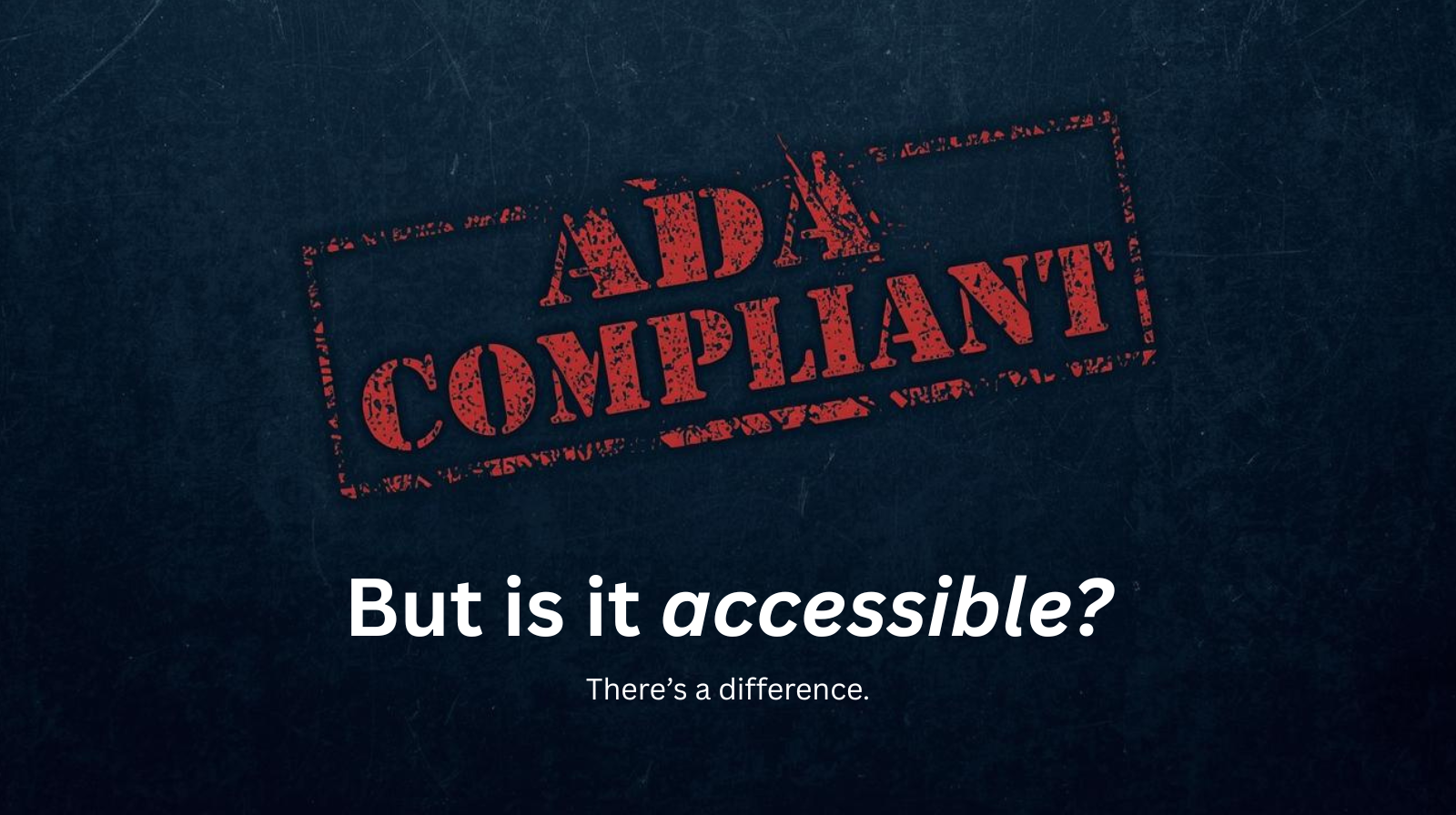
ADA Compliant, but is it accessible?

You’d think it would be simple. You want to visit a museum, a park, a stadium. You go to the website. You look for accessibility information. And you find… a vague statement about being ADA compliant, a phone number to call, and maybe a note that wheelchairs are available upon request.

If you have a disability, this is a familiar experience. The information you need to plan a trip — real, specific, actionable information — is either buried, generic, or missing entirely. This isn’t an accident. It’s the result of several overlapping problems that have made accessibility one of the most under-documented areas in travel.


“ADA Compliant” Doesn’t Tell You Anything

The Americans with Disabilities Act sets a legal floor for accessibility. It doesn’t tell you whether the accessible restroom is on the third floor with no elevator nearby, whether the “accessible route” involves a steep slope, or whether the quiet room is actually quiet or just a corner of the gift shop.

Compliance language was written to protect venues from liability. It was not written to help travelers plan a visit. The result is that most accessibility statements on venue websites are legally useful and practically useless.

What travelers actually need — surface types, distances, the noise level in different areas, what equipment is available and where to get it, whether staff are trained to help — is rarely documented anywhere.


Venues Don’t Know What to Document

Even venues that genuinely want to be helpful often don’t know what information matters most to visitors with disabilities. Accessibility is not one thing. It means something different for a wheelchair user, a person with low vision, someone with autism, a Deaf visitor, or a parent with a child who has sensory processing differences.

Most venues approach accessibility from a mobility-first perspective — ramps, elevators, accessible parking — because those are the features they’ve been required to provide. Sensory accommodations, communication supports, and cognitive accessibility are newer areas, and many venues haven’t caught up. The information gap is widest exactly where the need is often greatest.


Reviews Don’t Fill the Gap

Peer reviews on platforms like Yelp, TripAdvisor, and Google are theoretically a good source of real-world accessibility information. In practice, they’re inconsistent and hard to search. A review might mention that “the parking lot is a nightmare” or that “staff were incredibly helpful” without any of the specific details that would help someone plan.

Non-disabled reviewers rarely think to document accessibility features because they don’t need to. And when disabled reviewers do leave detailed accessibility notes, that information is mixed into general reviews with no way to filter for it or find it easily.

The result is that travelers with disabilities often spend hours searching review sites, disability forums, and Facebook groups trying to piece together information that should be available in five minutes on the venue’s own website.


Accessibility Pages Are Often an Afterthought

When accessibility information does exist on a venue’s website, it’s frequently outdated, incomplete, or hard to find. It might be a single paragraph at the bottom of a “Plan Your Visit” page, last updated several years ago. It might list features that were added or removed without the page being updated. It might describe the building as it was before a renovation.

Venues update their ticket prices, hours, and event calendars regularly. Accessibility pages often get updated once and forgotten.


The Information Asymmetry Is a Real Barrier

For travelers without disabilities, incomplete information is an inconvenience. For travelers with disabilities, it can mean the difference between a successful trip and one that ends at the front door.

Someone who uses a power wheelchair needs to know whether the accessible entrance is on the same side as parking, or whether they’ll need to travel an extra quarter mile on an exposed sidewalk. A visitor with severe noise sensitivity needs to know whether the venue has a quiet room or sensory bags before they buy a ticket — not after they arrive and find out it doesn’t.

When that information isn’t available, many travelers simply don’t go. The cost of a bad experience — physical, financial, emotional — is high enough that uncertainty itself becomes a barrier.


What Better Looks Like

The venues that get this right share a few things in common. They publish specific, detailed accessibility guides — not legal statements. They describe the actual visitor experience: what the entrance looks like, where to go, what to ask for, what to expect in each area. They update this information regularly. And they make it easy to find.

A growing number of venues also offer tools like sensory guides, social narratives, and downloadable maps specifically for visitors who benefit from knowing what to expect before they arrive. These resources exist because someone at those venues understood that accessibility information isn’t just a compliance checkbox — it’s part of the visitor experience.

That’s the standard worth pushing toward. And it’s why directories that consolidate and standardize this information — across venues, across categories, in one place — exist in the first place.

Read with your Fingers interactive display about braille at the Queensland Museum

Posted on

Sensory-Friendly Hours in Los Angeles: Calm Mornings and Sensory Days

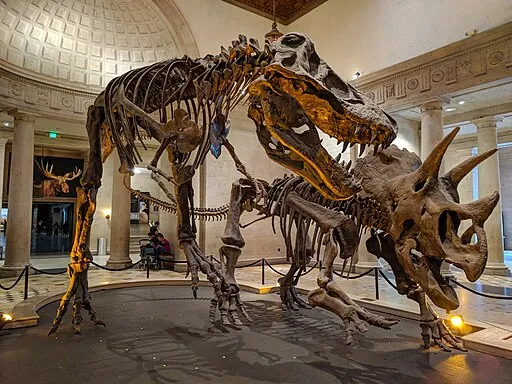
Dinosaur bones at Natural History Museum

The single biggest lever for a sensory-sensitive visit is when you go, and a growing number of Los Angeles venues now run dedicated low-stimulation sessions: early “calm mornings” before the public arrives, monthly sensory days, and regular sensory-friendly hours built for autistic visitors and anyone with sensory processing or cognitive needs. Dimmed lights, lowered sound, smaller crowds. This is a schedule of the ones worth planning around, what each runs, and how to book.

These sessions are the exception, not the default, and most need a little planning: some are ticketed or need registration, and dates move, so confirm the next one on the venue’s calendar before you go. For the full picture (every calm venue by category, what you can borrow, and how to read LA’s sensory load) see the Los Angeles Sensory & Cognitive Guide. This article is the shortcut for one question: which places run a sensory-friendly session, and when?


At a Glance

VenueProgramWhenBooking
GRAMMY MuseumSensory Friendly Saturdays2nd Saturday monthly, 9:00–11:00amCheck ticket/registration
Natural History MuseumSensory-Friendly Dinosaur Encounters2nd Saturday monthly, 11:30amIncluded; arrive early
Academy MuseumCalm MorningsSelect mornings before public hoursTimed ticket; check calendar
The BroadSensory MorningSelect mornings before public hoursReserve timed entry
Petersen Automotive MuseumLow Sensory MorningsSelect mornings before openingCheck schedule
Cayton Children’s MuseumSensory-Friendly MorningsSelect morningsCheck schedule

Times and dates change. Confirm the next session with the venue before your visit.


Monthly Sensory Days

The two easiest to plan around, because they land on a fixed day each month.

GRAMMY Museum

GRAMMY Museum — full accessibility details →

A Certified Autism Center, and the anchor of this list. Sensory Friendly Saturdays run on the second Saturday of every month from 9:00 to 11:00am, with reduced crowding, lower lighting, and quieter sound across four floors of interactive music exhibits. Staff have completed autism and sensory awareness training. Check whether the session needs a timed ticket before you go.

Natural History Museum of Los Angeles County

Natural History Museum — full accessibility details →

The NHM runs sensory-friendly Dinosaur Encounters on the second Saturday of each month at 11:30am, a lower-key version of its popular program. Free sensory kits (noise-cancelling headphones, a sensory guide, fidget tools) are available to borrow, and there’s a sensory map for pacing the visit. Free for LA County residents on select days.

Dinosaur bones at Natural History Museum

Scheduled Calm Mornings

These museums open early, before the public, for a quieter window. Dates rotate, so check each venue’s calendar and reserve.

Academy Museum of Motion Pictures

Academy Museum — full accessibility details →

Calm Mornings open the film museum early with lowered light and sound and smaller crowds. Sensory bags are available at the entrance, and a social narrative to review at home makes the visit far easier to plan. The building is fully step-free.

The Broad

The Broad — full accessibility details →

A Sensory Morning gives this very popular (and normally loud) contemporary-art museum a low-stimulation window before the crowds. Admission is free but reserve a timed entry. One heads-up: the Infinity Mirrored Room is a small, enclosed dark space with flashing LED lights, worth flagging for light-sensitive visitors even during a calm session.

Petersen Automotive Museum

Petersen Automotive Museum — full accessibility details →

Quietly one of the strongest sensory museums in the city. Low Sensory Mornings bring lowered lighting and sound and smaller crowds before opening, and sensory bags are available at the desk. Three broadly engaging floors of cars.

DeLorean from Back to the Future movie

Kids’ Sensory Hours

Two children’s museums built to run calm, with regular sensory-friendly sessions.

Cayton Children’s Museum

Cayton Children’s Museum — full accessibility details →

Sensory-friendly mornings on select dates bring dimmed lights, lowered sound, and reduced capacity, and there’s a dedicated Quiet Room for breaks any time. Caregivers enter free. Check the schedule for the next session.


Planning Around a Sensory Hour

A few things that apply across all of these:

  • Register or reserve ahead. Several sessions are ticketed or capped. Book as soon as you know your date.
  • Arrive at the start. The calm is best in the first stretch, before even a small crowd builds.
  • Download the social narrative if there is one. The Academy Museum, the Aquarium of the Pacific, and the Huntington publish step-by-step visual guides, most useful reviewed at home, not in the parking lot.
  • No session on your date? Weekday mornings are the fallback at almost any venue, and the Hub lists the venues that are calm by design (gardens, quiet trails, open-air landmarks) for days when no program is running.

For the full sensory playbook and every calm venue by category, see the Los Angeles Sensory & Cognitive Guide.


Compiled from publicly available information. Sensory-program dates and times change, and some sessions require a ticket or registration, so confirm with each venue before you go.

Posted on

Mobility Rentals in Los Angeles

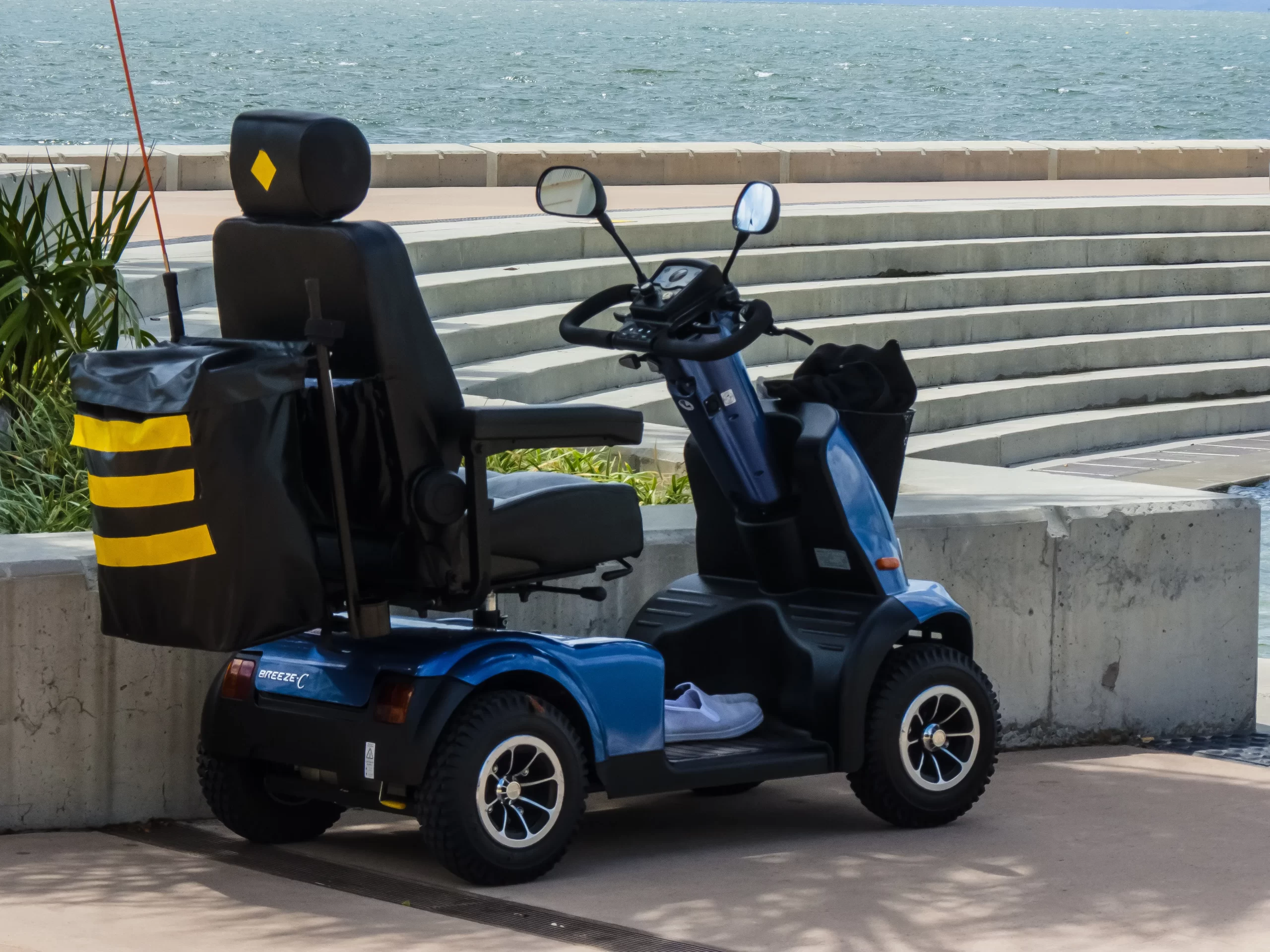
Mobility Scooter parked along the water

You don’t have to travel with everything. If bringing your own equipment to Los Angeles isn’t practical — it won’t survive the flight, you only need it for part of the trip, or you need something you don’t own day-to-day — you can rent almost anything once you’re here and have it waiting at your hotel.

The catch is that “mobility rental” covers four pretty different things, run by different kinds of companies, with different lead times. Here’s how each one actually works for a visitor.

In this Guide: Scooters & Chairs · WAV Rentals · Medical Gear · Delivery · How to Choose


Wheelchairs, Scooters & Knee Walkers

This is the most common rental and the easiest to arrange. National delivery services and local medical-supply shops both rent manual wheelchairs, power chairs, mobility scooters, and knee walkers by the day or week, and most will drop the equipment at your hotel before you arrive.

Who does it:

  • Book a few days ahead for the model you actually want — lightweight and heavy-duty scooters sell out faster than standard wheelchairs
  • Confirm your hotel will accept the delivery and hold it at the bell desk; many drop off the evening before
  • Check the scooter’s weight capacity and whether it disassembles, if you’ll also be loading it into a car

Wheelchair-Accessible Van Rentals

This is the one most visitors don’t realize they need to plan for: you cannot rent a wheelchair-accessible vehicle (WAV) from a standard rental-car counter at LAX. Hertz, Avis, and the rest don’t keep ramp- or lift-equipped vans in their fleets. You rent those from specialist companies, and supply is limited — so this is the rental to arrange first, not last.

Who does it:

  • You’re the driver. These are self-drive rentals — you’ll need a valid license, your own auto insurance or a credit card that covers rentals, and comfort driving a modified van. (If you’d rather not drive, that’s what WAV rideshare and Access Services paratransit are for — see Getting Around LA.)
  • Reserve early. Fleets are small; a last-minute accessible van often simply isn’t available.
  • Expect a daily rate well above a standard rental car, with discounts for weekly and monthly bookings.
  • Confirm the ramp type (side-entry vs. rear-entry) and that the door height and tie-downs fit your chair.

Medical Equipment for Longer Stays

If you’re in LA for more than a few days, or staying in a vacation rental rather than a hotel, you can rent home medical equipment the same way — delivered and picked up.

What’s available: hospital beds, oxygen concentrators, patient lifts, lift chairs, shower and commode chairs, transfer benches, rollators, and bedside tables.

Who does it:


Delivery to Hotels, LAX & Cruise Terminals

The delivery model is what makes renting in LA work for visitors. The strongest providers don’t make you go anywhere — they bring the equipment to you and collect it when you leave.

How it works in practice:

  • Hotels: Equipment is typically dropped at the bell desk the evening before or the morning of your rental; you collect it at check-in. Always confirm your specific hotel accepts and stores deliveries.
  • LAX: Several companies deliver to airport terminals or to a hotel near the airport for your arrival. Build in buffer time — airport delivery coordination is the step most likely to slip.
  • Cruise terminals (San Pedro / Long Beach): Special Needs Group and Scootaround specialize in getting equipment to the pier on sailing day; book well ahead, since terminal timing is tight.

Disneyland and Universal Studios Hollywood both rent wheelchairs and scooters on-site — but with two real limitations: the equipment can’t leave the park, and it’s first-come, first-served with no reservations, so it can run out on busy days.

If you want a scooter you can keep for your whole trip — to use at your hotel, around CityWalk, or getting between attractions — rent from a third-party vendor instead:

  • ScooterBug is the approved provider for the Hotels of the Disneyland Resort and offers length-of-stay rentals
  • Vendors like Peoples Care Medical Supply deliver scooters to Universal-area hotels (or the park) for use both inside and outside

A third-party rental usually costs less per day than the in-park rate and isn’t capped to park hours — the tradeoff is you arrange delivery yourself instead of grabbing one at the gate.


How to Choose — The Short Version

You need… Rent from Book ahead?
Wheelchair, scooter, or knee walker Delivery service (Cloud of Goods, Scootaround) or local supply shop A few days; sooner for specialty models
A van you’ll drive yourself Accessible van specialist (Wheelers, MobilityWorks) As early as possible — limited fleet
Beds, oxygen, shower chairs for a longer stay Medical-supply rental with delivery A few days; ask about prescriptions
A scooter for a full theme-park trip Third-party vendor (ScooterBug, etc.), not the park Before you travel
  • Reserve early — accessible vans and specialty scooters are the first to run out.
  • Confirm your hotel or rental will accept the delivery and hold it.
  • For self-drive vans, sort out insurance before you book.
  • Match the equipment to you: weight capacity, ramp type, whether it folds for a car trunk.

Renting fills the gaps your own equipment can’t — but it rewards planning. The visitors who have the smoothest trips are the ones who booked the van and the scooter before they booked the restaurant.

Prices, delivery areas, and availability change, and Only Everywhere isn’t affiliated with any company listed here — always confirm details directly with the provider before you book.

Related:

Posted on

How to Make Your Venue Accessible: Best Practices for Operators

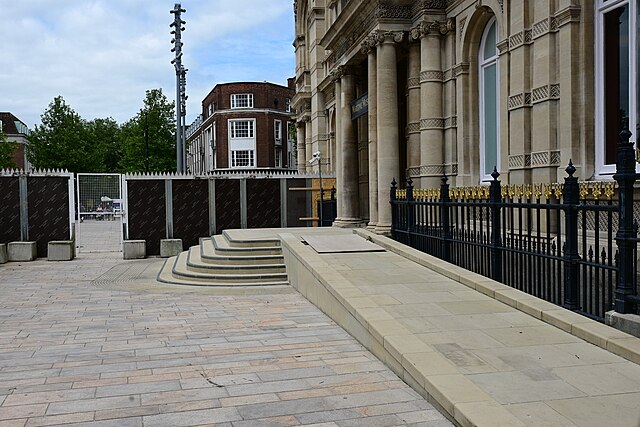
exterior ramp at museum

Whether your venue is a historic landmark, family-run museum, or a large entertainment venue, there are steps you can take to ensure everyone feels welcome and included. Here are the core areas every operator should evaluate when designing the visitor experience.

Train Your Staff

Accessibility starts with people and your staff shapes the guest experience.

  • Provide regular, mandatory disability awareness training.
  • Teach proactive communication strategies: Don’t assume a visitor with a disability wants or needs help – ask first.
  • Use respectful/inclusive language:
    • Avoid offensive/outdated terms (e.g. “handicapped”)
    • Use person-first language (e.g. “person who uses a wheelchair”)
    • Speak directly to a person rather than their caregiver
  • Include situational training (e.g. how to communicate with nonverbal guests, or how to offer assistance respectfully).
  • Treat every visitor as an individual: Disabilities are not always visible, and some may not identify as having a disability.

Consider Different Disabilities

Accessibility must address a range of needs. Think beyond ramps.

  • Mobility: Frequent rest areas, handrails, step-free routes, elevators, and access to loaner mobility aids like walkers, portable stools, wheelchairs.
  • Hearing: Written materials, captions, transcripts, visual announcements/emergency alerts, and sign language interpreters.
  • Vision: High contrast signage, large print, audio guides, braille, and welcoming guide dogs.
  • Cognitive & Neurodivergence: Sensory maps, social narratives, designated quiet/low sensory hours, and loaner sensory kits.
  • Also consider family needs, such as baby changing facilities, private nursing rooms, and stroller-friendly routes.

Use established frameworks for accessibility guides, like the United Nations World Tourism Organization’s Recommendations on Accessible Tourism for All

braille and tactile map of Queen Mary Hospital

Communicate Your Accessibility Features

Visitors should not have to guess if your venue is accessible.

  • Prepare for all commonly asked questions in advance.
  • Post your own Accessibility Guide online with accurate, specific information
  • Use images, maps, and measurements: Avoid vague claims like “Wheelchair accessible” without details.
  • Ensure your website meets WCAG 2.1 AA standards.

Start with Universal Design

Make accessibility built-in, not a retrofit.

Design new projects and renovations with accessibility in mind.

Consider lighting, acoustics, surfaces, and wayfinding, including signage height.

Go beyond legal standards. Compliance is the minimum.

art museum ramp

Keep Improving

Accessibility is a process, not a checkbox.

  • Ask for feedback via forms, reviews, or in-person.
  • Read and respond to reviews, especially critical ones.
  • Reassess regularly: Standards evolve, you should, too.

Making your venue accessible isn’t just the right thing to do – it’s smart business. More than a billion people worldwide live with disabilities, and many more benefit from accessible features. Clear communication, staff training, and thoughtful design will make your venue inclusive to everyone.

Posted on

Best Advice for Travel Planning with Disabilities

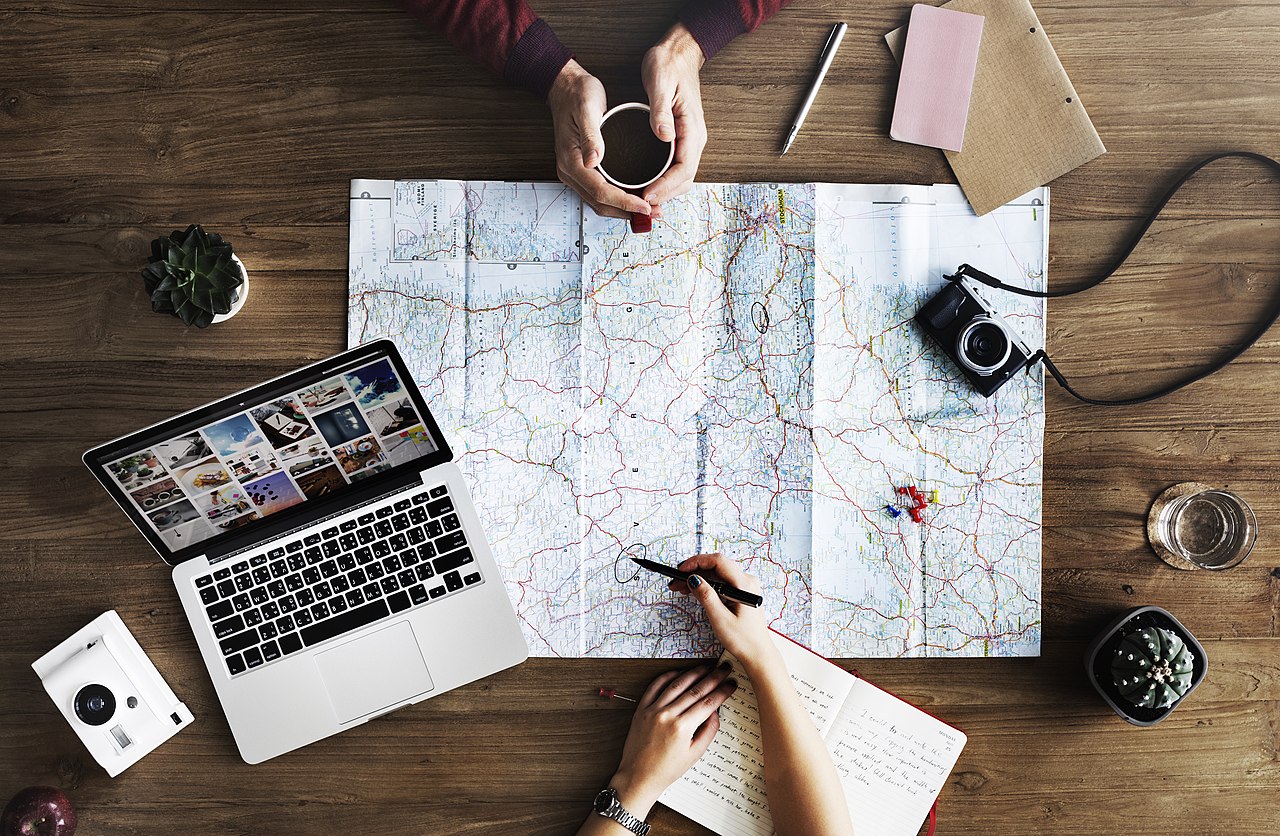
trip planning over coffee

Travel can be daunting, especially to an unfamiliar place. We’ve compiled the best advice for travel planning with disabilities or impairments. And with no surprise, accessible travel is all about how to prepare BEFORE you go!

Become an Expert Travel Planner

It’s time to get organized. Whether you use a Word Doc, Excel, OneNote, or a travel app, make sure you keep your budget, itinerary, and reservations compiled in one place. It’s great if you have access to this on your phone or mobile device, though it’s also wise to print out hard copies in case your electronic device fails. Send a copy to a close friend or relative as an extra safety measure.

Next, research, research, research! There is a plethora of information on the internet about destinations – accessibility is no exception. Many attractions and accommodations have accessibility guides that give detailed notes for visiting, and we’re posting many of them on this site: browse our database now! Before you go, make sure you’ve looked into all the places you will be staying and seeing, as well as the transportation between each place. Search community forums, or start your own thread! You never know what experts are already out there.

travel planning together

Know Your Rights

Before you travel, it’s important to know your rights and the requirements for travel/tour operators. For instance, in the U.S., while service animals must be allowed entry, some zoos provide places for service animals to stay during your visit so they don’t spook the animals in the enclosures. The Disability Rights Education & Defense Fund has posted helpful Frequently Asked Questions about regulations that travel/tour agents must comply with.

Book Early

Some hotels have a limited number of accessible rooms. It’s wise to start your travel planning early to avoid those spots being booked during a destination’s peak season. Similarly, tours may need to reserve interpreters or special guides trained in accessibility. Many museums and other attractions offer equipment loans and interpretation services, and often require for these to be reserved weeks in advance.

woman on phone

Contact Operators and Ask Questions

It’s best to call/email and confirm the details of your visit so there are no surprises. Make sure to get the local contact information (not just the booking agency) and speak with a Manager about your accessibility accommodations. Be specific! If you need a certain clearance under the bed, make sure to confirm the actual dimensions. Write down the Manager’s name so you can verify arrangements when you arrive. While there are plenty of options for pre-arranged tours that claim to accommodate travelers with a disability, you should still call and ask questions. Sage Traveling has compiled a list of questions to ask the tour operator prior to booking.

Organize Your Medical Needs

Check with your doctor for advice about a particular destination. Some locations require extra vaccinations or prescription medications. It might also be helpful to obtain a note from your doctor explaining your condition, needs, medications, etc. Be sure to organize your medications, with labels, and prepare extra time for security checks. Security questioning will go smoother if you have everything organized and your doctor’s note ready to show.

Consider Renting Equipment

Airlines and other transportation companies are notorious for mishandling wheelchairs and other mobility aids. There are horror stories of damage that renders them useless, which can set you back in time and money on your vacation. If you can, consider renting equipment at your destination for worry-free travel. If you must hand over your mobility aid, make sure fragile parts are labeled, and you let the agent know how to properly handle your equipment.

woman giving man directions

Prepare for the Unexpected & Be Flexible

As with any trip, things can (and will) go wrong. Keep a patient and open mind. However, these hiccups can be much harder to bounce back from with an impairment. One interviewee on Accessible Travel podcast mentioned having a plan A, B, and C for traveling. Write down information for alternate methods of transportation when Uber suddenly isn’t available, or if the taxi cannot accommodate your wheelchair.

When all else fails, ask for help from the kindness of strangers. Many countries are known for their hospitality, so don’t be afraid to ask for assistance from a local.